Emergency mitigation
Make availability and the next contact step obvious. Align campaign schedules with live answering and the response commitments your business can support.


Marketing for water mitigation and restoration companies
Connect emergency searches with the water damage work your team can handle.
JUGGERNAUT connects SEO, Google Ads and website content around your water mitigation services, response territory and capacity. The goal is more relevant inquiries, with a clearer view of which ones become real opportunities.
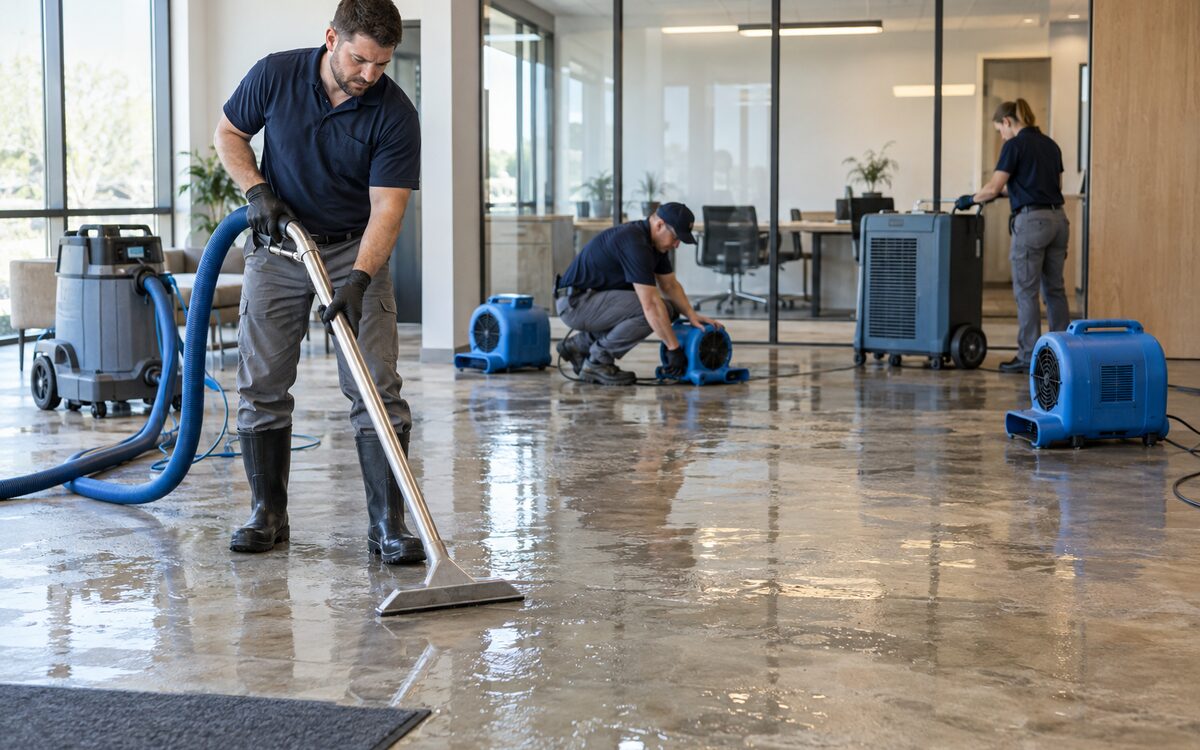
Clear scope, genuine coverage and a usable call option help an owner decide what to do next.
The marketing plan
Water damage restoration marketing helps a mitigation business reach property owners and managers searching for extraction, drying and related services. A useful strategy connects the search, landing page, response area and intake process so the inquiry reaches the right team.
Before selecting keywords or increasing spend, define what your crews do, when someone can answer and how far the team can travel. A flooded commercial space, a small appliance leak and a sewage loss can require different equipment, qualifications and scheduling. Marketing should make those distinctions clear.
Make availability and the next contact step obvious. Align campaign schedules with live answering and the response commitments your business can support.
Help homeowners understand extraction, drying and the next steps. Show relevant work and explain where mitigation ends and repairs begin.
Address property managers and facilities teams with property types, project scope and a clear route to discuss access, documentation and business disruption.
Search to service
We group related searches around the actual job. These examples illustrate campaign and content decisions; the final targets depend on research in your service area.
| Example search intent | What the page needs to explain | Marketing decision |
|---|---|---|
| Emergency water extraction | Response coverage, contact options and the extraction services offered. | A focused landing page and answering coverage that match the campaign schedule. |
| Burst pipe or appliance leak cleanup | Water removal, drying and whether repairs are included. | Keep restoration intent distinct from plumbing repair inquiries. |
| Flood or sewage cleanup | Which loss types, property types and cleanup services the business accepts. | Separate service groups when their scope or qualification requirements differ. |
| Commercial water damage | Building types, project coordination and the inquiry process. | Use business-focused content and review commercial inquiries separately. |
Connected marketing
Build distinct water mitigation content, accurate location information and relevant internal links. Align the Google Business Profile with genuine services and locations. Visibility should be evaluated across the territory, rather than from one search at the office.
Organize campaigns around service intent, geography and budget. Review search terms for plumbing-only work, equipment rental, employment and DIY queries. Exclusions need context so a useful restoration inquiry is not removed accidentally.
Give mobile visitors a usable phone link, service coverage and a concise explanation of what happens next. Put supporting credentials, project images and genuine reviews near the decisions they help answer.
Assess eligibility for the business, category and market separately. If suitable, coordinate coverage and intake with the wider plan. Eligibility or lead availability should not be assumed from a water-damage keyword.
Lead quality
A phone-button click is an interaction, not proof that someone spoke to your team. A form submission is a contact, not automatically a qualified loss. Agree on lead definitions before using the numbers to make budget decisions.
Record the requested service, property location and whether it fits your capabilities. Separate unrelated calls from inquiries your team could serve.
Review answered and missed calls where call data is available. Check whether advertising is creating inquiries during hours without appropriate follow-up.
Connect qualified inquiries with estimates and won work when your team can supply the outcome data. Review cost per qualified opportunity alongside total lead volume.
Insurance questions belong in clear, accurate service content. Do not advertise guaranteed coverage, direct billing or carrier relationships unless those statements are true for your business.
Owner questions
Compare lead ownership, sharing, territory, qualification rules and total cost. An agency-managed campaign and a purchased-call service are different arrangements. Choose based on the opportunities you can serve and the information available to evaluate them.
Create a location page when it can provide useful, distinct information about a real service market. Repeating one page with new city names does not help a visitor understand your coverage or experience.
It can identify the gap, but more traffic does not resolve unanswered inquiries. Align advertising hours, published availability and your answering process before scaling.
Use distinct landing pages and campaign groups, and record service type during intake. Compare qualified inquiries and outcomes by service, using consistent definitions and reporting periods.
Bring your service mix, response area and current lead sources. We will discuss where visibility, the website or inquiry handling deserves attention first.