Service-specific research
Compare water, fire and mold searches with the work your company wants. Review the results and available demand data before selecting priorities.



Restoration SEO, AEO and GEO
Help people find the restoration work your business actually provides.
JUGGERNAUT researches the searches, questions and competing pages that matter to your restoration company. We improve the connected service content, local information and technical details behind organic and AI-assisted discovery.
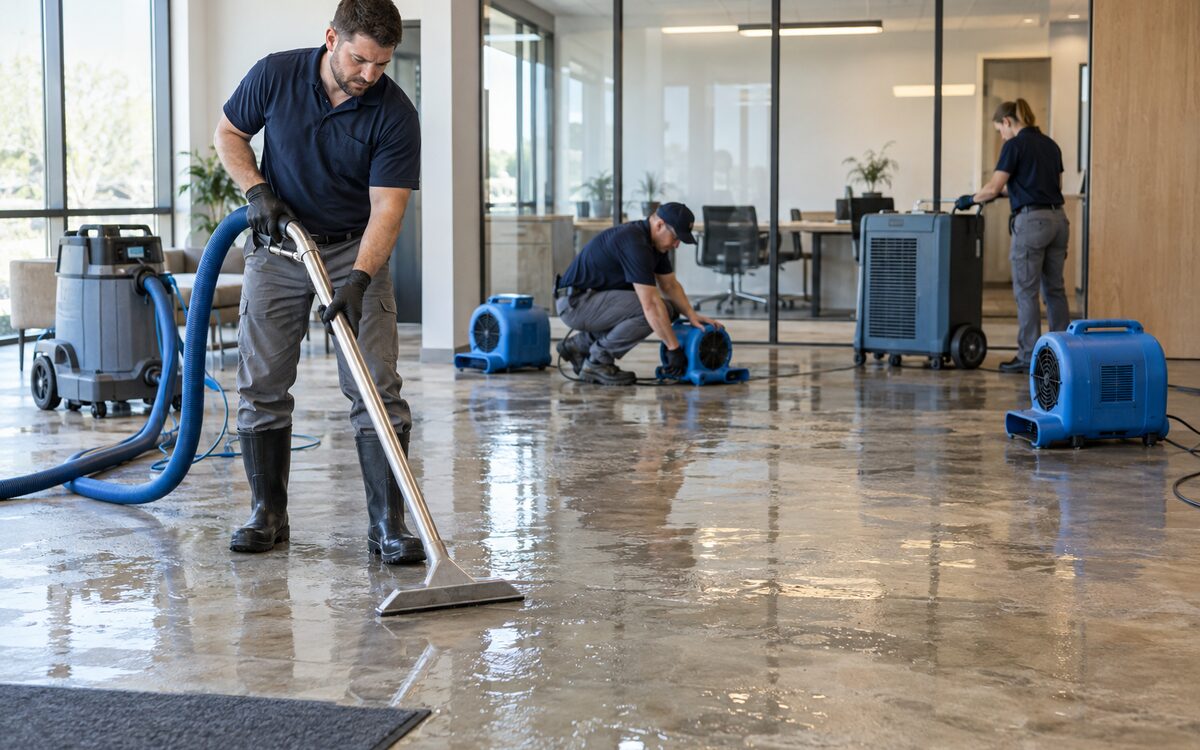
Water mitigation can include removing water, drying affected areas and planning the next steps for the property.
What your business gets
Restoration SEO improves how search engines discover and understand a restoration company’s website, and how useful that website is to prospective customers. The work connects real services, local relevance, accessible pages and credible evidence.
Compare water, fire and mold searches with the work your company wants. Review the results and available demand data before selecting priorities.
Strengthen service explanations, location content, answers and internal links. Fix technical barriers affecting the relevant pages.
See the completed changes and review available organic visits and tracked inquiries. Use that evidence and your feedback to guide the next priorities.
How we prioritize
| Search need | Useful destination | What makes it distinct |
|---|---|---|
| A restoration provider | A clear restoration overview. | Services offered, territory, availability and the contact path. |
| Water, fire or mold work | A substantial service page. | The particular work, scope, evidence and next action. |
| A provider in a genuine service market | A useful location page where justified. | Accurate coverage and meaningful local detail. |
| An owner’s question | An explanatory article or FAQ. | A direct answer that supports a real decision. |
We keep related wording together when one complete page can answer it. A page for every city and keyword combination is not automatically a useful structure.
The monthly SEO Loop
Review keyword data, current search results, relevant competitors and available performance information. Look for unanswered questions and gaps across the connected pages.
Choose a topic within your plan’s coverage and agree on the changes it needs. That may involve an existing service page, useful supporting content, local information or technical repairs.
Implement the approved work across the relevant pages. Check content, links, search information and desktop, tablet and mobile presentation.
Review discovery, relevant visits and tracked inquiries where data is available. Account for changes in demand, services and coverage when planning the next round.
Traditional and AI search
SEO, answer engine optimization and generative engine optimization share a practical foundation: useful content that search tools can access, accurate business information and answers supported by real expertise. We apply that foundation to the services and markets your restoration business serves.
State what the service includes, who it is for, where it is offered and what happens next. Keep important information in readable page text.
Use verified credentials, genuine feedback and permission-cleared project context. Match images and examples to the service being discussed.
Keep service, location and contact facts consistent. Use accurate structured data to describe visible information and relevant links to connect the topic.
Google and AI platforms control their results. There is no special markup that guarantees an AI recommendation, and adding structured data does not replace useful content or technical accessibility.
Reporting with a purpose
Review the individual improvements, affected pages and the reason each change was prioritized. See how the finished work supports the restoration services you want to grow.
Review organic visits, relevant landing pages, Google Business Profile activity and tracked inquiries where those data sources are available within your plan. Keep button clicks, actual calls and qualified opportunities distinct.
Use comparable reporting periods and separate branded discovery from service searches when reviewing available data. Rankings alone do not establish business results, and recent website changes need time to be discovered and assessed.
Questions before you start
It depends on the starting point, market, competition and work involved. Establish a baseline, complete useful improvements and review progress over comparable periods. A fixed ranking date cannot be guaranteed.
No. A useful article can be part of a topic, but the priority may be an existing service page, technical improvement, local content or better internal links. Research should determine the work.
The profile and website should describe the same real business. Profile management can support the plan where included, with accurate services, coverage and business details.
Distinct services usually need clear explanations. The depth and number of pages should follow the offering and search intent, with useful links between related services.
Bring your website, service territory and the work you want more of. We will discuss where search visibility and useful content can support the business.