Immediate property needs
Make availability, territory and scope clear. Market board-up, tarping and initial stabilization only when your business provides that work.



Marketing for fire cleanup, smoke removal and restoration
Help property owners understand your work and choose their next step.
JUGGERNAUT connects search visibility, advertising and website content around your fire restoration services. Make emergency cleanup, smoke removal, contents care and reconstruction easier to find and evaluate.
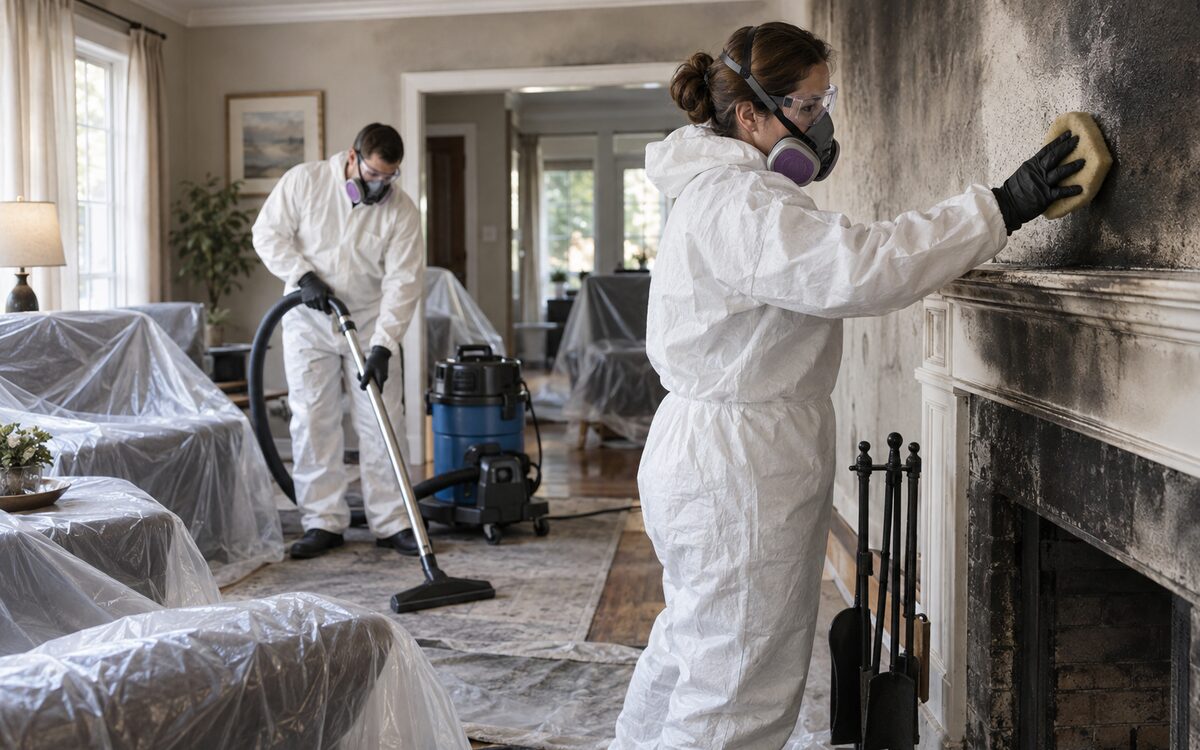
Connect the cleanup process with relevant project information and a clear route to discuss the property.
The right work
Fire and smoke damage restoration marketing helps a restoration company reach people seeking cleanup, odor removal, contents care or rebuilding after a fire. Each stage needs clear service information, relevant evidence and a practical way to speak with the team.
Some inquiries concern immediate property protection. Others arrive while an owner compares cleanup providers or decides how to approach repairs. We plan around those different decisions, rather than treating every fire-related search as the same emergency.
Make availability, territory and scope clear. Market board-up, tarping and initial stabilization only when your business provides that work.
Explain the spaces, surfaces and odor-related work your team handles. Help visitors understand the service and assessment process.
Show where pack-out, contents care and rebuilding fit. Distinguish services provided by your team from work coordinated with another contractor.
Search and service
| Inquiry | Useful page information | Marketing approach |
|---|---|---|
| Fire damage cleanup | Cleanup scope, coverage, availability and the first conversation. | A focused fire restoration page with an obvious inquiry path. |
| Smoke, soot or odor removal | Property types, relevant services and the assessment process. | Separate relevant service searches from unrelated cleaning and product inquiries. |
| Contents restoration | Whether pack-out, cleaning, storage or coordination is offered. | Explain the offering within fire content; expand when a separate page adds substantial value. |
| Reconstruction after fire | Repair scope, coordination and examples of comparable work. | Support a longer evaluation with relevant projects and an estimate request. |
These are planning examples. Search demand in your market, the competing results and your operating model determine the final targets.
Connected marketing
Build fire and smoke content with accurate terminology, useful headings and links to connected services. Add location information where it describes a genuine market. Avoid publishing near-identical pages for minor wording variations.
Align the keyword, advertisement and landing page around the requested work. Review DIY, equipment, training and employment inquiries. Match schedules and service areas with the team available to respond.
Use permission-cleared project photography, genuine reviews and verified qualifications. Explain the property type and work your company performed. Stock imagery can illustrate a service, but should not be presented as a client result.
Describe the documentation and coordination your business provides. Keep coverage decisions separate from service promises. Do not imply guaranteed coverage or carrier relationships without verification.
A practical process
Confirm priority services, property types, territory and availability. Review current search visibility and how inquiries reach your team.
Connect service content, ads, relevant proof and the next action. Check mobile usability and the tracking available for calls and completed forms.
Record the requested service and whether it fits. Connect assessments, estimates and accepted projects with the source where reliable data is available.
An odor-removal request and a reconstruction estimate may involve different timelines and qualification requirements. Review them separately so a combined lead total does not hide the difference. A phone-button click is an interaction, not proof of an answered call.
Questions before you start
One strong page can cover closely connected services. Add another when the business offers substantial, distinct work and visitors need different information. A new keyword variation alone is not a reason for a new page.
Yes. The overall strategy can be shared while search terms, landing pages and qualification reflect the requested service. Separate campaign groups where demand and budget support useful management.
Use genuine, permission-cleared examples. Explain the scope and work performed without exposing private customer or claim information. Publish results only when the dates, measurements and context can be verified.
Assess current eligibility for the business, category and market before including LSA. Eligibility should not be assumed because another restoration service can advertise.
Discuss your services, territory and the projects you want more of. We will identify where search, content and the inquiry path need to work together.