Promote the right work
Define the mitigation, cleanup or remediation services the business wants more of. Separate important differences in scope and customer intent.


Restoration PPC and Google Ads management
Put the budget behind the restoration inquiries you can serve.
JUGGERNAUT shapes Google Ads around your water, fire and mold services, response territory and capacity. We connect the search, advertisement and landing page, then refine using the available inquiry evidence.
Water removal and drying for Medford properties. Tell us about the work you need.
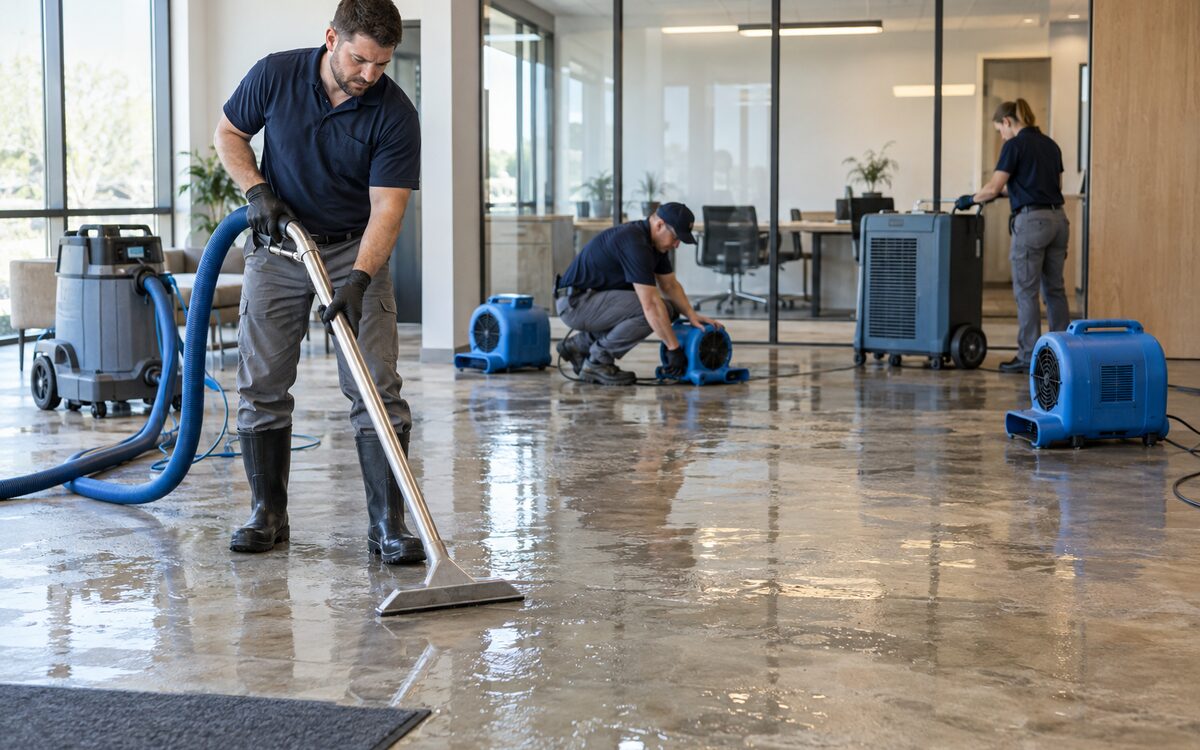
A focused ad reaches a page about the requested work, with an obvious contact option.
What the campaign needs
Restoration Google Ads management connects paid search demand with the services, locations and inquiry process a restoration business can support. A useful campaign gives people a relevant answer and gives the business meaningful information about the response.
Define the mitigation, cleanup or remediation services the business wants more of. Separate important differences in scope and customer intent.
Plan coverage around practical crew territory and the team available to handle inquiries. Make availability claims accurate.
Connect ads with a relevant page, usable mobile contact options and clear tracking definitions. Review what happens after the click.
Relevant targeting
Review available search terms against the actual offering. Exclude unrelated patterns such as employment, products or unsupported services where appropriate. Avoid generic lists that remove useful requests.
Review locations, location options and schedules alongside actual inquiry locations and answering coverage. Location signals have limits, so selected coverage does not guarantee every call will fit.
Distinguish extraction, fire cleanup, smoke work and mold remediation where budget and demand support it. Each message should make the offering clear without overstating availability or capabilities.
Send the visit to the page that explains the advertised service. Keep scope, coverage, relevant evidence and the next action easy to find.
Advertising spend and management fees are different costs. The budget discussion should make both clear before the campaign plan is agreed.
Our process
Confirm the services, market, customer fit and capacity. Research demand and competing results, and review existing campaigns where available.
Agree on priorities, budget and conversion definitions. Align keywords, advertisements and landing pages, and check the available tracking.
Use searches, spending and inquiry feedback to refine the campaign. Evaluate proposed platform recommendations against your goals before applying changes.
AI-assisted research can help explore wording, intent and campaign ideas. Our team checks those ideas against the business and available evidence before deciding what to run.
Measurement
| Stage | What it tells you | What it does not prove |
|---|---|---|
| Ad click | Someone followed the advertisement. | That the visitor requested professional work. |
| Tracked contact | A defined call or form action was recorded. | That the request was answered or qualified. |
| Qualified opportunity | The inquiry meets the agreed service and territory criteria. | That an estimate or project was accepted. |
| Business outcome | Your team confirms an estimate, booking or accepted work. | That every other contact from the same period had the same value. |
Check conversion definitions and duplication before using them in campaign decisions. Review cost per tracked inquiry and cost per qualified opportunity when reliable qualification data is available. Make the cost basis explicit.
Questions before you start
Review search demand, competition, target services, coverage and capacity. Set a budget that supports meaningful evaluation without assuming that more spend will fix weak service fit or unanswered calls.
Only when the business can support the promise and respond appropriately. Align advertising coverage, published availability and the actual inquiry process.
Assess current eligibility, category and market separately. Where suitable and included in the agreement, LSA can work alongside Search. The two formats have different setup and billing models.
Possible causes include query intent, geographic coverage, service messaging, the landing page or the conversion signal. Review the inquiry evidence before making changes.
Bring your services, territory, budget and examples of useful or irrelevant inquiries. We will discuss the campaign and landing-page gaps worth addressing.